

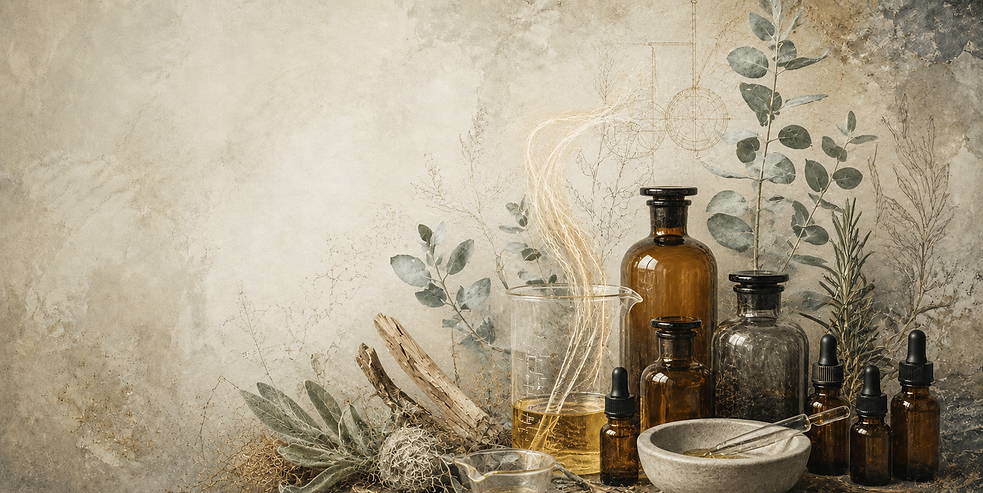
AROMATHERAPY
French: 1935-1937
Aroma: /a-roma/ : a sweet smell or spice
Therapy: /Ther-epe/ : a medical treatment or healing of a bodily or mental condition
Definition:
The holistic practice of using concentrated plant extracts and essential oils through inhalation or topical application to promote physical and psychological well-being.

You can inquire about custome aromatherapy mixtures or if you liked the massage medium I used(all massage mediums are custome mixed in house with clean ingrediants).
Aromatherapy is an alternative practice that uses concentrated plant extracts called essential oils through inhalation or skin application to improve physical and emotional well-being
How It Works
-
Inhalation: Scent molecules enter the nose and stimulate the olfactory system.
-
Brain Response: Signals travel to the brain's limbic system, which controls emotions and memory.
-
Topical Use: Diluted oils are applied to the skin during massages or baths for localized comfort.
Common Uses
-
Reducing stress and anxiety
-
Improving sleep quality
-
Relieving minor discomfort
Safety and Precautions
While aromatherapy is a common practice, it is important to follow safety guidelines:
-
Consultation: Individuals with underlying health conditions, those who are pregnant, or those considering aromatherapy for specific symptoms should consult a healthcare professional.
-
Dilution: Essential oils are highly concentrated and are typically diluted in a carrier oil (such as jojoba or almond oil) before being applied to the skin to prevent irritation.
-
Quality: Not all products labeled as essential oils are pure; many may contain synthetic fragrances or additives. Sourcing is important or trusting your qualified professional.
-
Ingestion: Aromatherapy is generally intended for inhalation or topical use and should not be ingested.